
Bigswin Casino – Exchange Rates and Costs
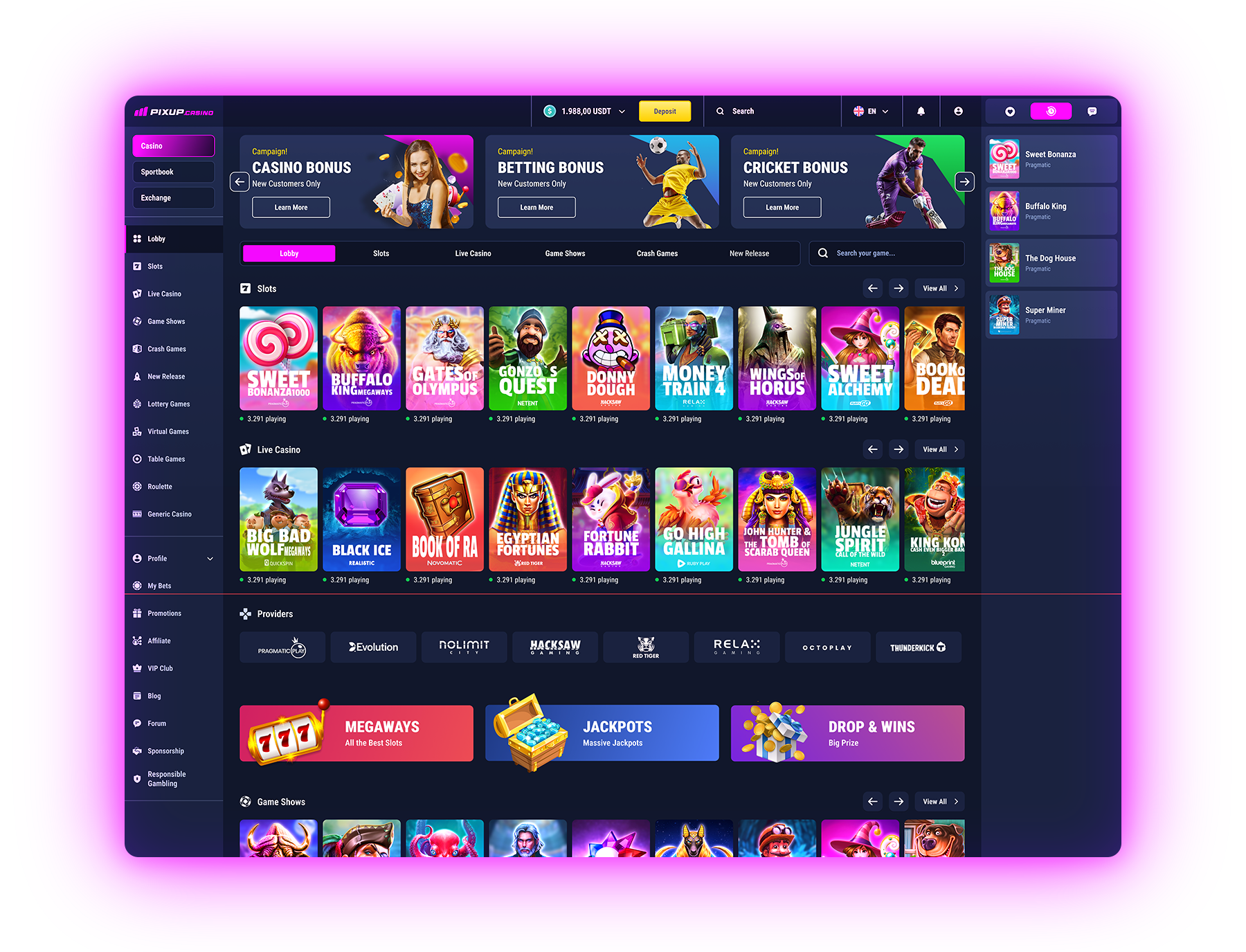
When you load money into your Bigswin Casino account, the figure you see isn’t everything. Exchange rates and fees eat into your buying power, affect what a withdrawal delivers to your bank, and can turn a winning session into a break-even one without you noticing. We’ve examined the mechanics behind those expenses, the payment options that increase or reduce them, and the easy measures that retain more of your funds for play. This is the insight you require before making your first deposit.
Understanding Currency Handling at Bigswin Casino
Launch the cashier at Bigswin Casino and the primary thing to verify is which currency your account truly runs on. A lot of global casinos employ euros or US dollars in the background, no matter what you deposit. So when you deposit Canadian dollars, your money might get transformed on the spot—by the casino’s payment processor or by your own bank—before it ever hits your playing balance. The exchange rate and where that conversion takes place determine how much of your intended stake truly lands in your account.
If Bigswin Casino allows you to open an account in Canadian dollars, you move most of the conversion cost to the moment you deposit. The casino might still adjust some balances for certain game providers, but the main deposit stays in CAD. For a Canadian player, that’s typically cheaper. You dodge the double conversion: CAD to EUR when you deposit, then EUR back to CAD when you cash out. Check the account registration screen for a CAD option.
Lacking a native CAD wallet, every deposit initiates a foreign exchange transaction. The rate you get will differ from the mid-market number you see on a currency converter. The payment processor or the casino’s banking partner adds a retail spread that silently absorbs two to five percent of your deposit before you place a single wager. Grasping that spread is the first step to controlling costs at Bigswin Casino, and we’ll detail it later.
Funding Channels and Their Charge Structures
The deposit expenses start through the payment channel you select. Certain methods carry a flat transaction fee from the casino, others are free but impose currency conversion markups buried through the financial middleman. We’ve examined the most common Canadian funding channels so you can spot where the winnipegfreepress.com costs are concealed. Refer to Bigswin Casino’s official banking page for current options—payment menus change—but the fee trends across the industry are pretty consistent.
Interac e‑Transfer and Interac Online are usually the cheapest choice for Canadians. The transaction starts and ends in CAD, so no forced forex conversion happens on the way in. If the casino supports Interac directly, it usually absorbs the tiny processing fee, so your deposit lands whole. The drawback: you might still encounter conversion later if the casino wallet runs in another currency, but at least the initial funding is clean.
Canadian-issued credit and debit cards often apply a foreign transaction fee when the merchant’s bank operates outside Canada. A standard Visa or Mastercard might impose a surcharge of two to three percent, and the exchange rate is the card network’s daily rate plus a margin. Some premium cards forgo that fee, but most do not. Check your cardholder agreement and look for the ‘foreign currency conversion fee’ line, then confirm whether Bigswin Casino runs card payments through a domestic or offshore gateway.
- Interac e‑Transfer / Interac Online: Usually no casino-side fees; settlements remain in CAD, so conversion never enters the deposit loop.
- Visa / Mastercard: No casino deposit fee in the majority of cases, but your bank might charge a 2–3% foreign transaction fee if the merchant is coded abroad.
- Instadebit / iDebit: These Canadian-focused intermediaries attach directly to your bank account and hold everything in CAD; fees are usually a flat $1.50–$2.00 per transaction, commonly cheaper than a percentage-based forex markup.
- E‑wallets (MuchBetter, Skrill, Neteller, ecoPayz): The casino hardly ever imposes fees for deposits, but the e‑wallet by itself may apply a currency conversion fee of 1.99–3.99% when you top up the wallet in CAD and the casino requires EUR or USD. Certain wallets allow you hold multiple currencies and swap ahead of time at marginally better rates.
- Cryptocurrency (Bitcoin, Litecoin, Ethereum): None direct forex fee from the casino, but you’ll encounter network transaction fees when moving coins to the casino, plus the spread on purchasing crypto from an exchange with Canadian dollars.
Take a close look at the cashier screen. Bigswin Casino might indicate a small icon or note next to each method if a fee applies. If nothing is flagged, the cost is probably concealed in the exchange rate or swallowed by a slightly lower deposit total. Attempt a test deposit with the minimum amount using a method you’re comfortable with, then compare the CAD that left your bank account to the balance that appears in the casino. That gives you the real all-in cost for that channel.
Payout Expenses: What to Expect When Withdrawing Funds

Cashing out initiates a second round of charges that many players miss when they make a deposit. Even if you funded your account with no a currency conversion, the trip back might change your balance to Canadian dollars at a retail rate, eating into your profit. The withdrawal method you pick also decides whether a set processing fee is charged by the casino or the payment provider.
Bank wire transfers typically have the highest casino-side fee, sometimes a fixed $25 to $50 per transaction, notably when the banking partner is located in a separate country. For Canadian players, that fee is worthwhile on big withdrawals; on a small cashout, it can consume a significant chunk. Interac e‑Transfer withdrawals, when offered, are far kinder—often complimentary or capped at a small amount like $5. They’re also quicker, sometimes arriving within 24 hours on business days.
E‑wallet withdrawals typically carry no casino-side fee, but the e‑wallet on its own converts the balance to CAD when you ultimately shift funds to your bank. If your casino account ran in euros, the e‑wallet imposes its own exchange rate markup at that stage—on top of any conversion that happened during play. We’ve witnessed cumulative conversion costs approach nearly five percent of a withdrawal when money traveled via two intermediaries. Minimizing the number of currency handovers is the single most powerful way to reduce withdrawal costs.
Minimum and maximum withdrawal limits also play a role. A high minimum cashout forces you to build up a bigger balance before you can withdraw, leaving you exposed to exchange rate swings. Read Bigswin Casino’s withdrawal policy carefully—not just the fee schedule, but any mention of who covers intermediary bank charges. Some sites contain a disclaimer that your receiving bank might charge extra fees the casino has no power over.
The Hidden Impact of Exchange Rate Margins
Even when a payment seems free, the currency conversion spread silently subtracts from every cross-border transaction. That spread is the gap between the interbank rate—what financial institutions charge each other—and the retail rate you really get. For a typical online gaming transaction through a third-party gateway, the margin added onto the mid-market rate can range from two percent on competitive e‑wallets to over four percent on some card transactions.
Let’s put that in concrete terms. You add 150 CAD and the mid-market EUR/CAD rate is 1.47. If the processor offers you 1.51, you get about 99.34 EUR instead of the 102.04 EUR you’d get at the true midpoint. That 2.70 EUR difference looks tiny, but it’s a 2.6 percent reduction to your playing power before you place a single bet. Over a string of deposits and withdrawals, the cumulative hit can equal or even beat the house edge on games with tight return-to-player percentages.
The size of the margin is usually set not by Bigswin Casino free slots but by the payment provider positioned between you and the casino. Some platforms display the exchange rate before you confirm the transaction; others bury it in a terms page. Screen-capture the offered rate at the moment of deposit, then later contrast it against a neutral source like the Bank of Canada noon rate or a live currency converter. That habit quickly uncovers which methods treat your CAD most fairly.

Dynamic currency conversion prompts—those ‘pay in your home currency’ offers during card checkout—warrant extra caution. They appear convenient, but they often impose a heavily marked-up rate and an extra service fee, making them more expensive than letting the casino’s processor handle the conversion. Unless you’ve confirmed the exact rate and fee from the DCC provider, refuse that option and settle in the casino’s default currency. It’s generally the smarter play.
Practical Ways to Cut Conversion Costs
Small tweaks to how you deposit and withdraw from your account can strip out a surprisingly big chunk of FX friction at Bigswin Casino. The best move is also the simplest: whenever you can, select a casino account currency that matches your funding currency. If CAD registration is available, take it. If only multi-currency wallets are offered, select the one that lines up with your most-used payment method to bypass pointless cross-conversions during play.
Combine a few cost-cutting tactics together and they translate into real savings over a complete season of play. The list below contains moves we’ve tested across Canadian-facing casinos, and they apply here just the same. Each one alone recovers a fraction of a percent; combined, they can retain two to five percent more of your balance across a deposit-withdrawal cycle.
- Check if Bigswin Casino provides CAD as a native wallet currency, and if it does so, change to that profile right away.
- Fund through Interac, Instadebit, or iDebit to maintain deposit settlement in Canadian dollars and avoid card-based foreign transaction fees.
- If you must use an e‑wallet, pre-convert CAD to the casino’s operating currency inside the wallet when rates are favorable, instead of letting the wallet convert at the moment of deposit.
- Combine withdrawals into fewer, larger cashouts to skip repeated fixed fees or minimum-threshold charges.
- Deactivate “dynamic currency conversion” when paying by card and let the casino’s processor process the exchange.
- Hold a small floating balance in the casino to weather short-term exchange rate swings instead of depositing and withdrawing for every session.
- Review bonus terms for any requirement to wager in a specific currency that could cause an extra conversion step.
Contact customer support and inquire point-blank about any unlisted fees or spread policies. A good support agent can often confirm whether the house covers processing fees for certain withdrawal methods or whether an intermediary bank charge might appear on your statement. That one question has saved us from surprise deductions more than once, and it provides you a benchmark to assess the actual costs that show up on your statement.
Cryptocurrency Transactions: Varied Pricing Options
If Bigswin Casino offers a crypto cashier, you obtain a distinct route that bypasses traditional forex markets but introduces its own costs. When you send Bitcoin, Litecoin, or another supported coin, no fiat conversion occurs at the casino door. The casino may credit your account with a fiat equivalent of that crypto, or it may keep your balance in the coin itself. Either way, the exchange rate between your crypto and the casino’s unit of account turns into the new variable.
For a Canadian player, the real cost of using crypto commences when you swap CAD for the coin on an exchange. Canadian crypto platforms commonly charge a spread and sometimes a withdrawal fee when you move coins to your private wallet. Then you pay the blockchain network fee to send the funds to the casino’s deposit address. Those network fees bounce around with blockchain traffic, but in normal conditions Litecoin or Ethereum fees are usually modest, while Bitcoin on-chain fees can spike. Once the coins land, Bigswin Casino most likely won’t tack on an extra deposit fee.
Withdrawing crypto functions the same way, just backwards. The casino sends coins to your wallet address, frequently covering the network fee or deducting a small fixed amount. Later, you convert the crypto back to CAD on an exchange, again swallowing that platform’s trading spread. The upside: you manage the timing and the venue for the fiat conversion, so you can seek a better rate than a payment processor would give. The downside: you’re exposed to the coin’s price swings between withdrawal and exchange, which can boost or reduce your final CAD amount.
For players who appreciate fee transparency, crypto can be revealing because every cost is trackable on a public ledger and exchange order books. But it needs extra comfort with digital wallets and exchange accounts. Consider crypto deposits as a tactical tool, not an automatic cost saver. Experiment with a small amount first, log every fee and spread along the chain, and contrast the net result with a traditional CAD-friendly method before committing larger sums.
Licensing, Openness and Your Right to Cost Details
The oversight system behind Bigswin Casino shapes what charge information you’re eligible for. Most globally regulated casinos fall under authorities like Curacao, Malta, or Kahnawake, which require operators to provide clear terms and conditions, including any fees for payment processing. The on-site terms page must include a section on monetary transactions that spells out who assumes the cost of exchange rate adjustments and whether any flat fees apply per payout option.
When we assess a casino’s clarity, we seek a clear explanation of the rate source, not a general remark that ‘third-party rates apply.’ A reliable operator will either specify that exchanges use the day rate of a identified provider—like an corporate currency exchange provider—or openly advise that payment gateways set their own rates. If the terms stay silent on this, we treat that silence as a warning sign and advise testing with a small deposit to uncover the actual rate.
Canadian banking regulations don’t directly govern an offshore casino, but the payment processors serving the Canadian market must still follow anti-money-laundering rules and transaction reporting obligations. That layer of regulation adds scrutiny that can actually assist players, because processors have little incentive to implement wildly opaque conversion spreads. Still, the burden is on you to review the terms, note the rates, and request clarification before committing serious money. A quick email to support asking, ‘Which provider supplies your exchange rates, and is there a fixed markup percentage?’ gives you far more reliable info than thinking the cashier screen tells the whole story.
Verification procedures also influence costs indirectly. When you make a withdrawal, the casino will ask for identity documents. The time it takes to confirm can slow down your cashout, and exchange rates might move against your balance while you wait. That’s not a fee in the strict sense, but it’s a real financial risk. Carry out the KYC (Know Your Customer) process soon after registration, before you build up a balance you plan to withdraw, so no administrative hold prolongs your exposure to currency movements longer than necessary.
Exchange rates and fees at Bigswin Casino aren’t a fixed wall; they’re a landscape you can learn to navigate. The players who come out ahead treat the cashier as a strategic tool: they pick a home-currency wallet if available, fund through a low-conversion Canadian payment rail, time withdrawals to cut currency handovers, and always read the fine print on spreads. Take five minutes now to inspect the banking page, test a small deposit with your preferred method, and log the effective rate you got. That one simple habit turns exchange costs from an invisible drain into a manageable expense, and it makes sure your gaming decisions rest on a real awareness of what your money is actually worth at every stage.

